 29 June 2026
 Share
Share
1
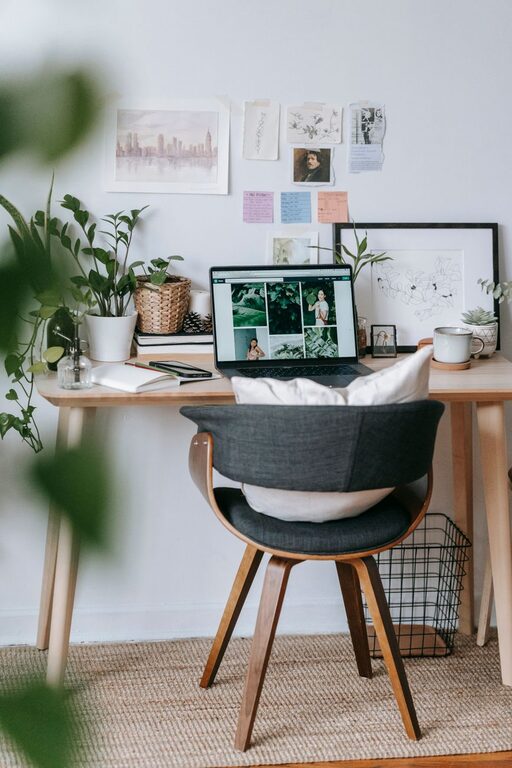
Creating a home office that feels both cozy and productive can significantly impact how you work and how you feel throughout the day. Whether you’re new to working from home or looking to refresh your current setup, making intentional choices about your space can improve focus, reduce stress, and inspire creativity.
In this post, we’ll explore practical tips to help you design a home office that balances comfort and functionality.
Selecting the ideal spot for your home office is the first step. Consider these aspects:
– Natural Light: Locate your workspace near a window if possible. Natural light improves mood and reduces eye strain.
– Quiet Environment: Find a place where you can work without frequent interruptions or distractions.
– Space Availability: Ensure there’s enough room for your desk, chair, and any equipment you need. Don’t forget storage!
Your furniture directly affects your comfort and productivity. Here’s what to look for:
– Ergonomic Chair: Choose a chair that supports your back and encourages good posture.
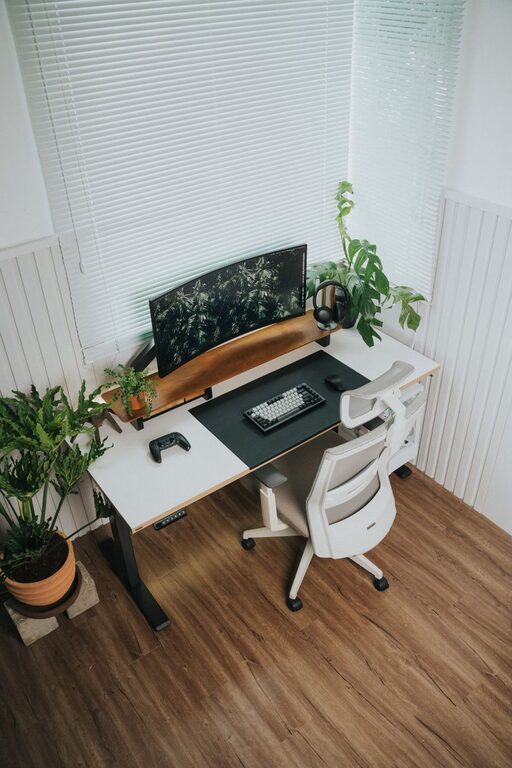
– Adjustable Desk: A desk with adjustable height lets you switch between sitting and standing, promoting better health.
– Adequate Surface Area: Ensure your desk is spacious enough to hold your computer, documents, and any tools you use regularly.
Clutter can hinder focus and creativity. Organizing your workspace is essential:
– Use Storage Solutions: Shelves, drawers, and organizers help keep your desk clear.
– Cable Management: Use clips or ties to keep cords tidy and prevent tangles.
– Declutter Regularly: Set aside time weekly to tidy up and remove unnecessary items.
Adding personal touches makes your office inviting and motivational:
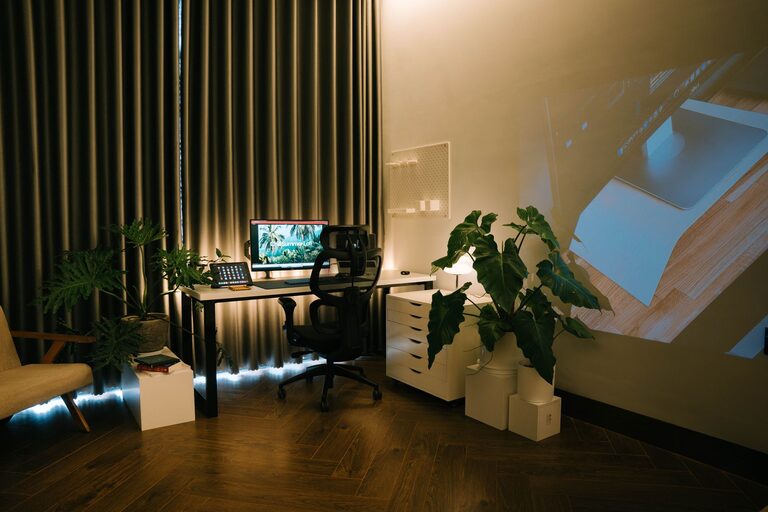
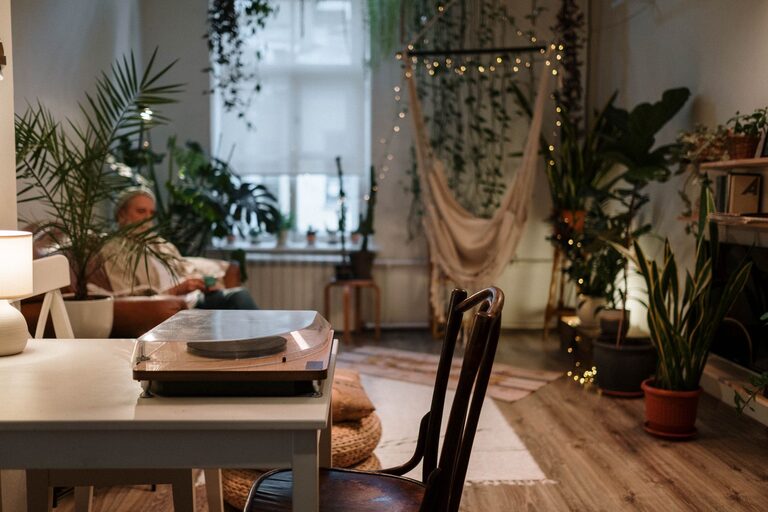
– Decorate with Plants: Indoor plants improve air quality and add a calming green element.
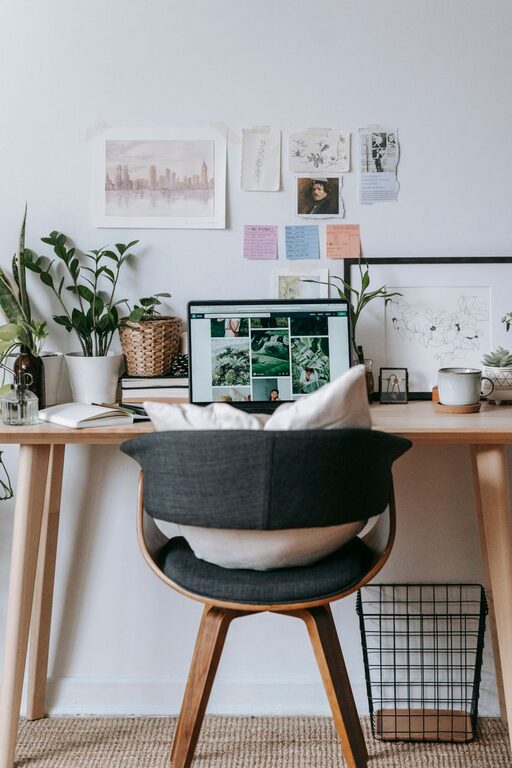
– Inspire with Art: Hang artwork or photos that make you smile or stimulate creativity.
– Use Color Wisely: Choose paint or accessories in colors that help you feel calm or energized, depending on your preferences.
Good lighting reduces eye strain and improves focus:
– Layer Your Lighting: Use a combination of overhead, task, and natural light.
– Task Lighting: A desk lamp with adjustable brightness is helpful for detailed work.
– Avoid Glare: Position your screen and light sources to minimize reflections.
Technology is essential but should support productivity without distractions:
– Reliable Internet: Ensure your connection is stable to avoid interruptions.
– Quality Equipment: Use a good monitor, keyboard, and mouse to reduce strain.
– Noise Control: Invest in noise-canceling headphones if your environment is noisy.
Even the best space won’t help without good habits:
– Set Work Hours: Define start and end times to separate work from personal life.
– Break Areas: Designate a spot for short breaks to refresh your mind.
– Limit Distractions: Communicate your schedule to household members to reduce interruptions.
Comfort also depends on how your environment feels:
– Ventilation: Open windows when possible or use an air purifier.
– Climate Control: Keep the temperature comfortable, neither too hot nor too cold.
Small touches can make your office more welcoming:
– Rugs and Cushions: Soft textures add warmth and reduce noise.
– Window Treatments: Curtains or blinds can control light and add style.
Designing a cozy and productive home office is about balancing comfort with efficiency. Tailor the space to suit your work style and personal preferences. Regularly assessing and adjusting your setup will help keep your environment fresh and inspiring.
By thoughtfully planning your home office, you can create a space where work feels less like a chore and more like an enjoyable part of your day.