 29 June 2026
 Share
Share
1
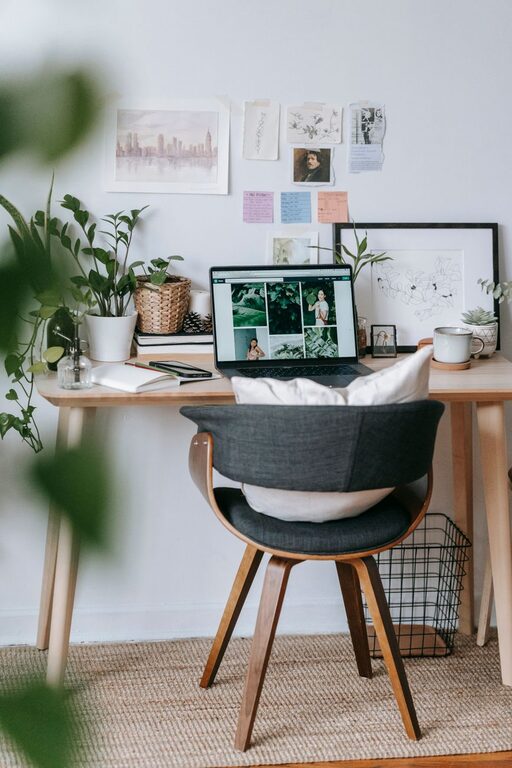
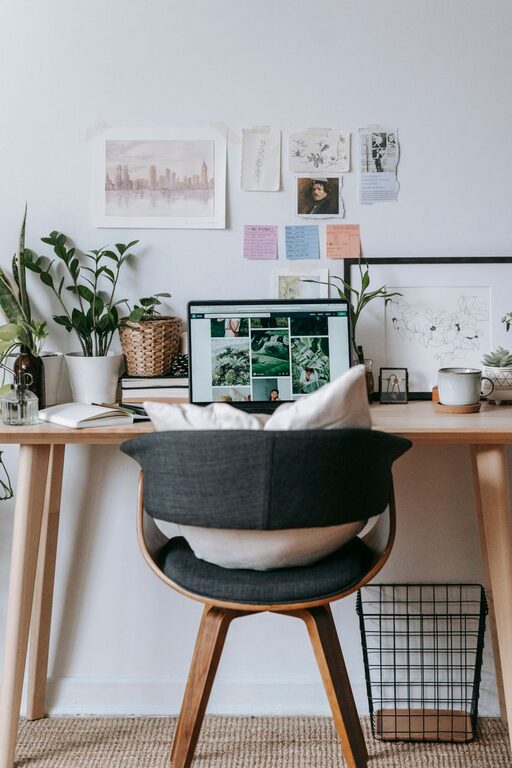
Creating a home office that feels both cozy and functional is key to maintaining productivity and well-being, especially if you spend a significant amount of your day working at home. Whether you have a dedicated room or just a small corner of your living space, thoughtful design and organization can transform your work area into a pleasant and efficient environment.
In this post, we’ll explore practical tips to help you build a home office that supports your work habits while offering comfort and style.
Finding the ideal spot for your home office is the first step in creating a workspace that works well.
– Quiet and Private: Select a space with minimal distractions, away from heavy foot traffic or noisy areas.
– Natural Light: Position your desk near a window if possible. Natural light can reduce eye strain and boost mood.
– Sufficient Space: Make sure the area has enough room to comfortably fit your desk, chair, and other essentials without feeling cramped.
If finding a dedicated room isn’t an option, a nook in the living room or bedroom can work—just set clear boundaries to separate work from relaxation zones.
Comfort is central to productivity, especially if you spend long hours working.
– Ergonomic Chair: Choose a chair that supports good posture with adjustable height, lumbar support, and comfortable cushioning.
– Appropriate Desk: Your desk should be at a height that allows your arms to rest comfortably when typing. Consider desks with storage features to keep the surface tidy.
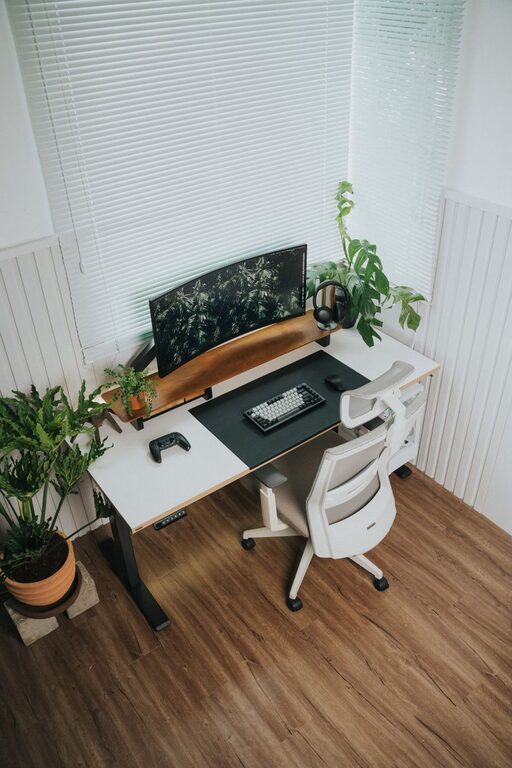
– Consider Standing Options: If you like to switch between sitting and standing, a height-adjustable desk can be a great investment.
Comfortable furniture reduces the risk of aches and helps maintain focus throughout the day.
A clutter-free workspace helps clear your mind and quickly find what you need.
– Drawers and Shelves: Use storage units under or near your desk to hold supplies and documents.
– Desk Organizers: Pen holders, trays, and file sorters keep daily essentials orderly.
– Cable Management: Use clips, sleeves, or cable boxes to keep cords neat and prevent tangles.
Regularly declutter your space by removing items you don’t use, and create a system for paperwork to avoid piles from building up.
Adding personal touches makes your office feel inviting and uniquely yours.
– Colors: Choose calming colors that make you feel relaxed or energized, depending on what helps you focus.
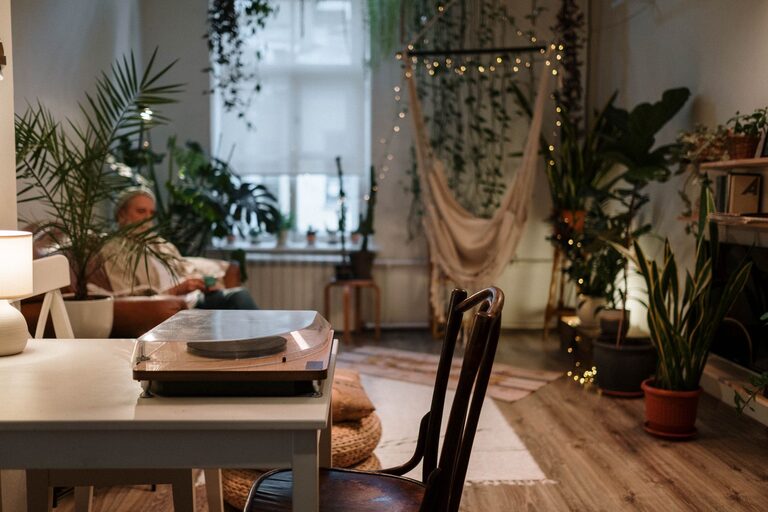
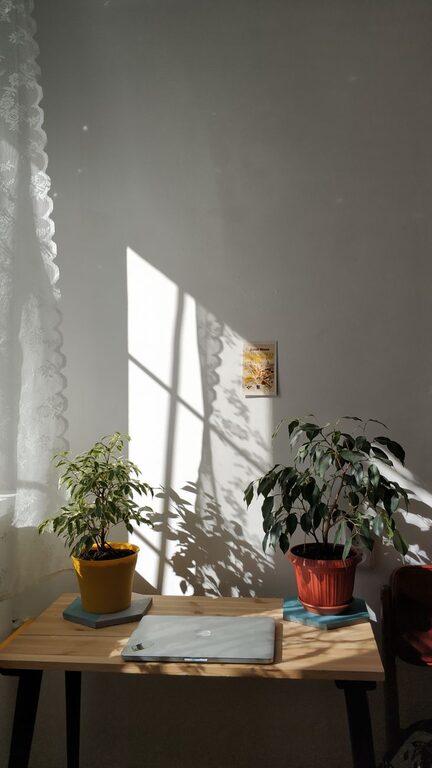
– Plants: Small indoor plants can improve air quality and add a touch of nature.
– Artwork and Photos: Display images that inspire or comfort you without overwhelming the space.
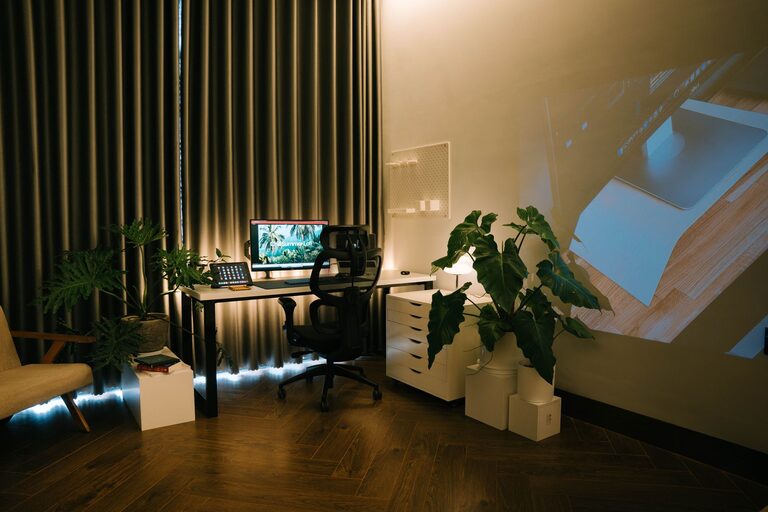
– Lighting: Along with natural light, add adjustable desk lamps for task lighting and soft ambient lights to create a cozy atmosphere.
Personalization makes your space more enjoyable and can motivate you to spend time there.
Technology plays a central role in a home office, but too many gadgets can become distracting.
– Reliable Internet: Ensure your internet connection is strong and stable to handle video calls and online work.
– Keyboard and Monitor Setup: An external keyboard and monitor can improve comfort, especially for laptop users.
– Noise-Canceling Headphones: These can help reduce distractions if your surroundings are noisy.
– Camera and Microphone: Invest in good quality equipment for clear communication during virtual meetings.
Keep your technology updated and organized to avoid unnecessary stress.
Good lighting reduces eye strain and enhances mood.
– Layered Lighting: Combine natural light with overhead fixtures and desk lamps.
– Adjustable Options: Use dimmable lights to change intensity depending on the time of day.
– Avoid Glare: Position screens and light sources to minimize reflections.
Proper lighting helps maintain energy levels and focus during work hours.
Creating a cozy and functional office also means setting clear habits and boundaries.
– Designate Work Hours: Stick to a schedule that signals when work starts and ends.
– Take Breaks: Step away from the desk regularly to stretch and rest your eyes.
– Separate Work and Home Life: Use physical or mental cues to switch modes, such as closing the office door or ending the day with a brief walk.
Good habits support long-term productivity and prevent burnout.
Your work style and needs may change over time, so design your office to be adaptable.
– Modular Furniture: Choose pieces that are easy to move or reconfigure.
– Multi-use Spaces: Incorporate furniture that can double as guest seating or storage.
– Regular Updates: Refresh your space periodically to keep it inspiring and efficient.
Flexibility helps maintain a fresh environment that grows with your work habits.
—
Designing a home office that balances coziness with practicality doesn’t have to be complicated. With attention to location, comfort, organization, personalization, technology, lighting, and boundaries, you can create a space that motivates you and makes working from home more enjoyable. Start with small changes and build your ideal workspace step by step to enhance your productivity and comfort every day.