
 29 June 2026
 Share
Share
1
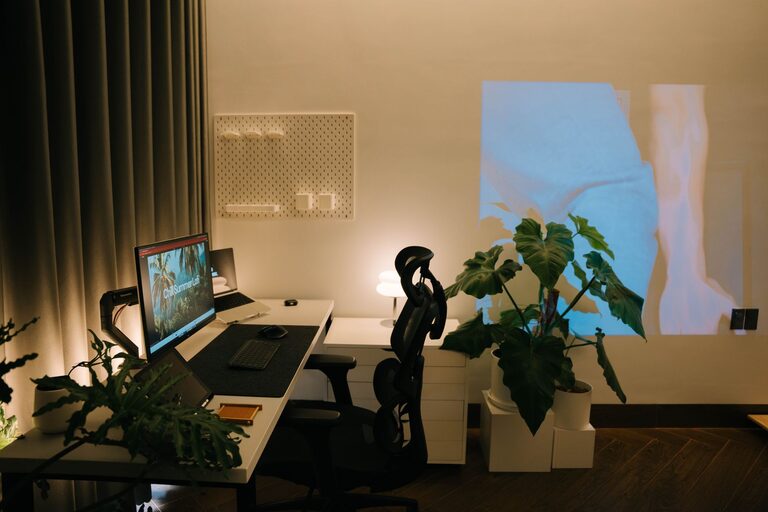
Creating a relaxing home workspace is essential for maintaining productivity and well-being, especially as many people continue to work remotely. A well-designed environment can help reduce stress, improve focus, and create a clear boundary between work and relaxation. In this guide, we’ll explore practical steps to transform your home workspace into a calm, comfortable area where you can work efficiently and feel good doing it.
When your workspace feels cluttered or stressful, it can negatively affect your motivation and ability to concentrate. On the other hand, a relaxing workspace encourages a positive mindset, which leads to better work outcomes. It can help you settle into tasks faster and enjoy the process more.
Choose a spot in your home with plenty of natural light, if possible. Sunlight helps regulate your body clock and boosts mood. Position your desk near a window or in a bright room to take advantage of daylight.
Select a quiet corner away from high-traffic areas. This will limit interruptions and create a peaceful atmosphere conducive to focus.
Ensure your workspace is convenient to access but separate enough from main living areas to maintain the work-life balance.
Invest in an ergonomic chair and a desk at an appropriate height. Comfort reduces physical strain during long work sessions.
Keep your workspace tidy and free from unnecessary items. Use organizers, shelves, or drawers to store supplies and keep the desktop clean.
Incorporate items that make you feel calm and inspired, like a small plant, a photo, or a favorite quote. These help personalize your space without causing distraction.
Choose paint or décor in calming shades such as soft blues, greens, or neutrals. These colors promote relaxation and reduce stress.
If noise is a problem, consider using noise-canceling headphones or playing gentle background music like nature sounds or instrumental tunes to mask distractions.
Keep the air fresh by opening windows regularly or using an air purifier. Plants not only brighten the space but also help purify the air.
Use adjustable lighting that can be changed depending on the time of day. Desk lamps with warm light reduce eye strain. Avoid harsh overhead fluorescent lights.
Arrange your computer, monitor, and other tech gear efficiently for easy access. Use cable organizers to prevent clutter and reduce stress caused by tangled wires.
If space allows, create a small area separate from your main workspace where you can take short breaks. This could be a comfy chair, a yoga mat, or a reading nook to refresh your mind.
Having a dedicated space is just one part of being productive. Combine it with routines such as scheduled breaks, to-do lists, and time blocking to maintain focus and motivation.
Spend a few minutes at the end of each day cleaning and tidying your area. This simple habit will keep your workspace inviting and stress-free.
—
By thoughtfully designing your home workspace with relaxation and productivity in mind, you’ll create an environment that supports your work goals and personal well-being. Remember, the best space is one that feels comfortable, inspiring, and uniquely yours.
