 29 June 2026
 Share
Share
1
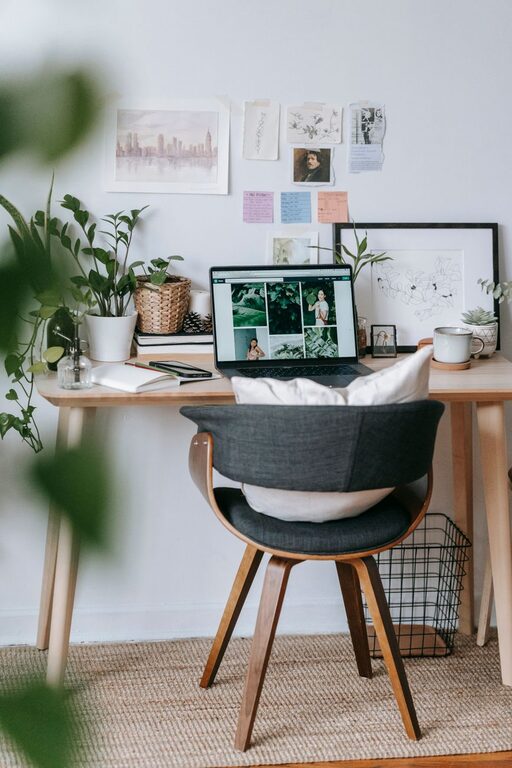
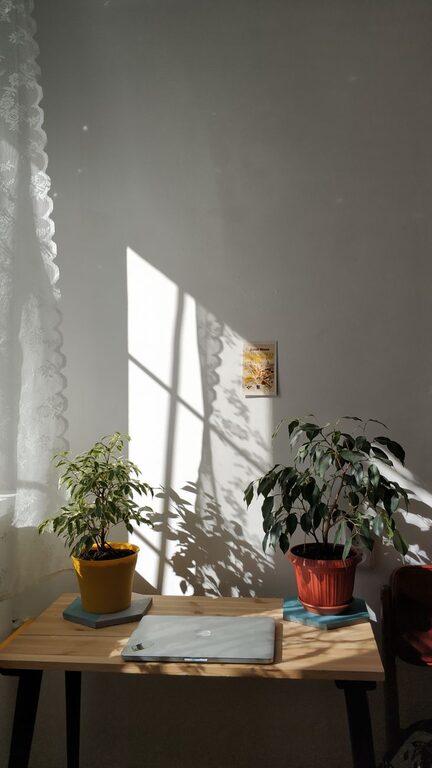
Creating a relaxing home office environment is essential for maintaining focus, productivity, and overall well-being when working from home. A space that feels comfortable and calming can reduce stress and make daily tasks more enjoyable. Whether you’re setting up a new home office or revamping an existing one, these helpful tips will guide you in creating a workspace that supports both efficiency and peace of mind.
The first step in designing your home office is selecting a spot that suits your work style and lifestyle.
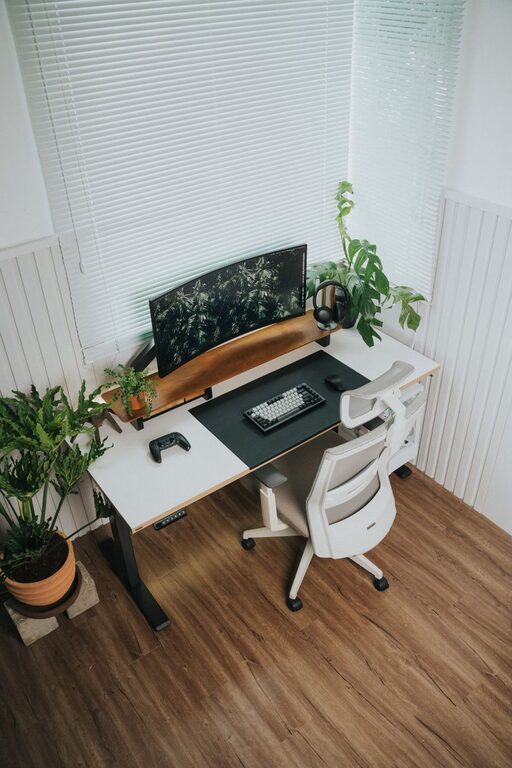
– Opt for natural light: Position your desk near a window to take advantage of natural daylight. Natural light not only helps improve your mood but also reduces eye strain.
– Consider noise levels: Pick a quiet area of your home where distractions are minimal, especially if you have frequent virtual meetings.
– Define your space: Even if your office is part of a multipurpose room, use rugs, dividers, or furniture to delineate your workspace visually.
Comfort plays a huge role in maintaining focus throughout the day.
– Ergonomic chair: Choose a chair that supports your back and encourages good posture. Adjustable height and lumbar support are key features to look for.
– Proper desk height: Make sure your desk allows your arms to rest comfortably at a 90-degree angle while typing.
– Consider a standing desk: If possible, alternate between sitting and standing to reduce fatigue and boost energy.
Colors impact mood and productivity, so choose a palette that promotes relaxation.
– Neutral tones: Soft tones such as light blues, greens, grays, or beige tend to create a soothing environment.
– Minimal clutter: Keep your desk and shelves neat to reduce visual distractions and stress.
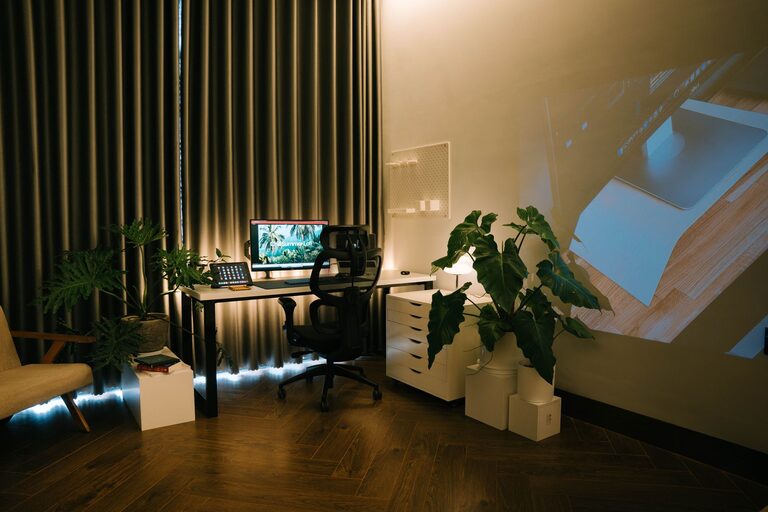
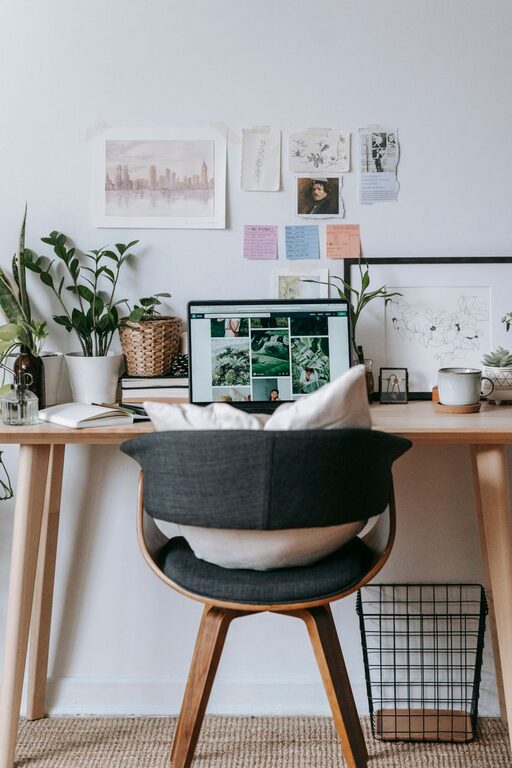
– Personal touches: Add plants, artwork, or meaningful items that inspire calmness and creativity without overwhelming the space.
Correct lighting can prevent eye strain and enhance overall comfort.
– Task lighting: Use a desk lamp with adjustable brightness for focused work, especially in the evening.
– Avoid harsh overhead lights: If your room’s main light is too bright or flickers, consider softer bulbs or lampshades.
– Reduce glare: Position your computer screen to avoid reflection from windows or lamps.
Adding plants to your home office not only beautifies your space but can also improve air quality and reduce stress.
– Easy-care plants: Choose low-maintenance plants like succulents, pothos, or snake plants.
– Placement: Position plants near your desk or on shelves where they catch your eye but don’t clutter your workspace.
A calm environment requires controlling background noise.
– Noise-cancelling headphones: These can be helpful if you have a noisy household or live in a busy area.
– White noise machines: Some people find gentle background sounds like rain or ocean waves soothing and helpful for concentration.
– Set boundaries: Communicate your work hours with family or housemates to minimize interruptions.
A tidy workspace helps maintain mental clarity and prevents stress.
– Use organizers: Desk trays, drawer dividers, and cable management tools keep supplies neat and accessible.
– Daily declutter: Spend a few minutes at the end of each day organizing your desk to start fresh the next morning.
– Digitize paperwork: Minimize paper clutter by scanning important documents and storing files digitally.
Small touches can enhance comfort and create a sense of well-being.
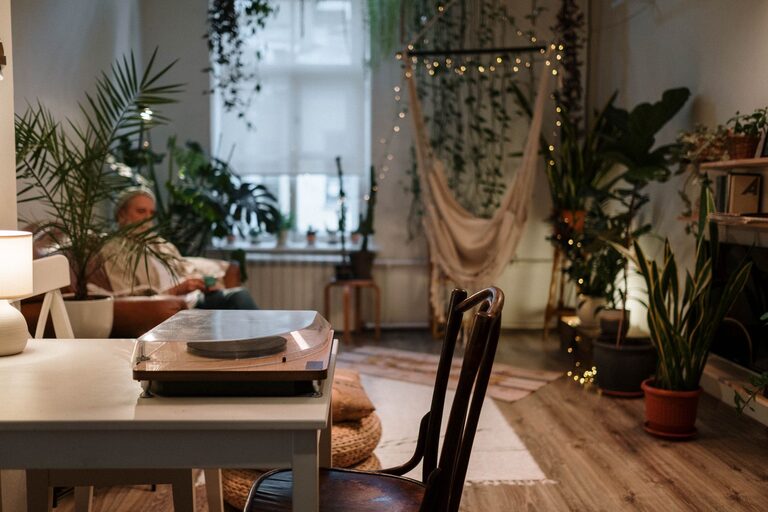
– Soft textiles: Use a cozy rug, cushions, or a throw blanket to feel more relaxed.
– Aroma: Light a candle or use a diffuser with calming scents like lavender or eucalyptus.
– Water and snacks: Keep a water bottle and healthy snacks nearby to stay hydrated and energized without constant breaks.
Fresh air contributes to alertness and comfort throughout your workday.
– Ventilation: Open windows regularly when possible to circulate fresh air.
– Air purifiers: Consider a small air purifier if your home tends to have stale air or allergens.
– Avoid strong chemicals: Use natural cleaning products to keep your space healthy.
Lastly, a relaxing home office is supported by good habits.
– Set working hours: Stick to a consistent schedule to separate work from rest.
– Regular breaks: Step away from your desk every hour to stretch, move, and rest your eyes.
– Create “shut down” rituals: End your workday by tidying your space or writing a to-do list for tomorrow.
—
By applying these tips, you can transform your home office into a relaxing and productive environment. A calm workspace not only supports your work goals but also contributes to your overall happiness while working from home. Taking the time to create a soothing office setup will pay off with less stress and greater focus every day.